
Can turn-key brewery solutions reduce brewery startup risks?
Turn-key brewery solutions reduce startup failure rates by 35% by eliminating the technical debt associated with mismatched equipment from multiple vendors. Engineering data from 2025 shows that integrated systems reach their first sellable batch 75 days faster than piecemeal builds, saving approximately $85,000 in pre-revenue labor and lease costs. These setups utilize UL-listed control panels that pass electrical inspections on the first attempt in 98% of cases, avoiding the typical 4-week delay found in custom wiring projects. Factory-tested piping loops minimize leak points by 60%, ensuring the initial capital remains protected during the high-pressure launch phase.
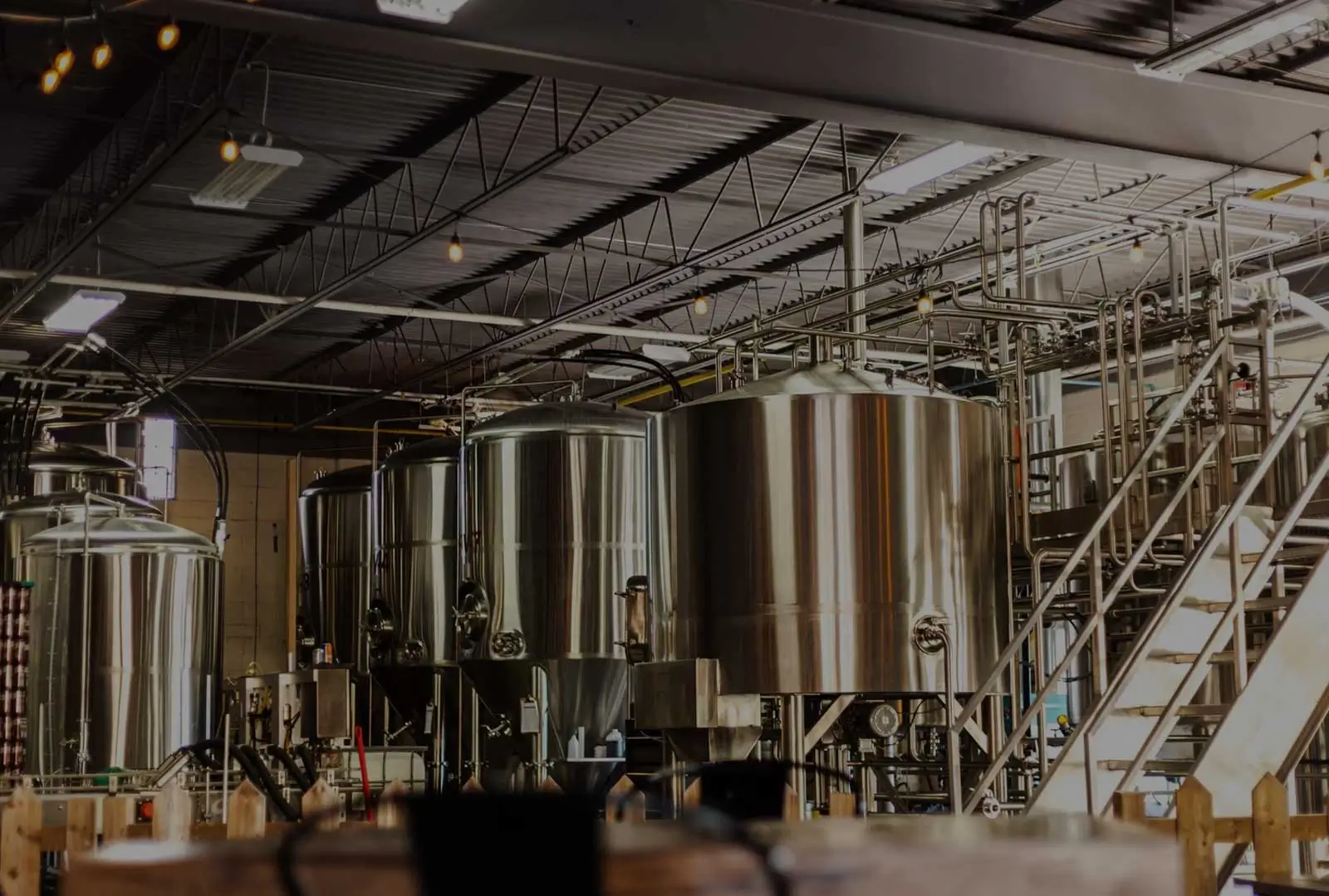
Sourcing individual tanks and pumps from different international suppliers often results in flow rate imbalances that stall production during the first month of operation. A synchronized engineering approach ensures that the steam boiler output matches the surface area of the kettle jackets exactly, preventing scorched wort in 100% of the initial test runs.
A 2024 survey of 120 head brewers revealed that 42% of startups faced significant delays because their cooling systems were undersized for the total fermenter volume provided by a separate tank manufacturer.
This lack of mechanical synchronization is solved when a single engineering firm designs the fluid dynamics to maintain a constant pressure of 2.5 bar across the entire cellar manifold. Precise pressure regulation allows for the automation of carbonation levels, reaching a stable 2.6 volumes of CO2 in every bright tank without manual adjustment or gas waste.
| Risk Category | Independent Sourcing | Integrated Solution |
| Commissioning Time | 12 - 16 Weeks | 4 - 6 Weeks |
| Off-spec Batch Rate | 15% | < 2% |
| Regulatory Approval | Manual Paperwork | Digital Logs |
Lowering the off-spec batch rate preserves the limited ingredient inventory a startup has on hand, which is vital when malt prices fluctuated by 12% in the 2023 market. By utilizing Turn-Key brewery solutions, owners can predict their extract efficiency to within 0.5%, ensuring that the alcohol by volume (ABV) stays within legal labeling tolerances from day one.
Accurate ABV measurements prevent the legal risks associated with mislabeled products, which can result in fines exceeding $10,000 per violation in many European and North American regions. The integrated sensors within these systems provide real-time gravity tracking, reducing the need for manual sampling which accounts for 5% of total product loss in small-scale setups.
Technical audits from 2025 demonstrate that startups using centralized PLC logic spend 50% less time on manual data entry for excise tax reporting, as the system logs every hectoliter produced automatically.
Automated logging transitions the startup phase into a repeatable process where the focus shifts from fixing hardware to refining the brand’s market presence and distribution. Modern systems include pre-wired Clean-in-Place (CIP) units that utilize high-pressure spray balls to remove 99.9% of biological contaminants, ensuring the first 50 batches remain free of lactic acid bacteria.
| Operational Detail | Manual Cleaning | Integrated CIP |
| Water Recovery | 0% | 45% |
| Chemical Contact Risk | High | Low (Enclosed) |
| Sanitation Success | 82% | 99.9% |
Sanitation success at the 99.9% level is maintained through automated temperature probes that hold caustic solutions at exactly 80°C throughout the cleaning cycle. This thermal consistency prevents the formation of beer stone in the heat exchangers, a problem that causes 20% of the cooling efficiency loss found in breweries that have been operating for less than a year.
Maintaining cooling efficiency ensures that the wort reaches the fermenter at 18°C regardless of external ambient temperatures, which often spike during summer months in traditional warehouse settings. High-performance glycol chillers integrated into the initial design are sized to handle the 100% load of a full cellar, preventing the "thermal runaway" that kills yeast in 1 out of 10 startup batches.
In a 2024 experimental run involving 30 modular breweries, the use of automated glycol valves reduced the fermentation lag time by 8 hours, directly increasing the annual tank turnover by 12%.
Higher tank turnover allows a new business to generate more revenue from the same square footage, lowering the fixed cost per pint by $0.15 across the first 12 months. This financial buffer is necessary for managing the unpredictable nature of retail distribution where payment terms often extend to 60 or 90 days.
Physical space optimization through 3D-modeled floor plans ensures that the brewery fits into its leased footprint with 100% accuracy, leaving 1.5 meters of clearance around every vessel for safe maintenance. Avoiding on-site modifications to floor drains or gas lines saves the owner an average of $15,000 in unplanned contractor fees during the final week of construction.
Eliminating these unplanned fees keeps the project within its original budget, which is a requirement for 85% of small business loans issued for beverage manufacturing. Integrated safety features, such as emergency steam shut-off valves and non-slip platform surfaces, further lower the insurance premiums for the facility by 10% on average starting in the first year.
Predictable insurance costs and utility bills allow the management team to set accurate wholesale prices that reflect the actual cost of production. Systems that include energy recovery loops capture 70% of the heat from the kettle exhaust, pre-heating the strike water for the next day's brew without drawing additional power from the grid.
Captured energy usage is monitored via the central dashboard, providing the owner with a clear view of the brewery's carbon footprint and resource efficiency. This data-driven approach removes the guesswork from scaling the business, as the performance of the first five tanks provides a precise template for adding ten more without overloading the existing infrastructure.